What Are UV-Coated Labels, and When Should You Use Them?
Not all labels are created equal; especially when it comes to durability and appearance. If your labels need to hold up to handling, light exposure, or just look a little more polished on the shelf, UV-coated labels are worth considering.
But what exactly is UV coating, and when does it make sense to use it?
What Are UV-Coated Labels?
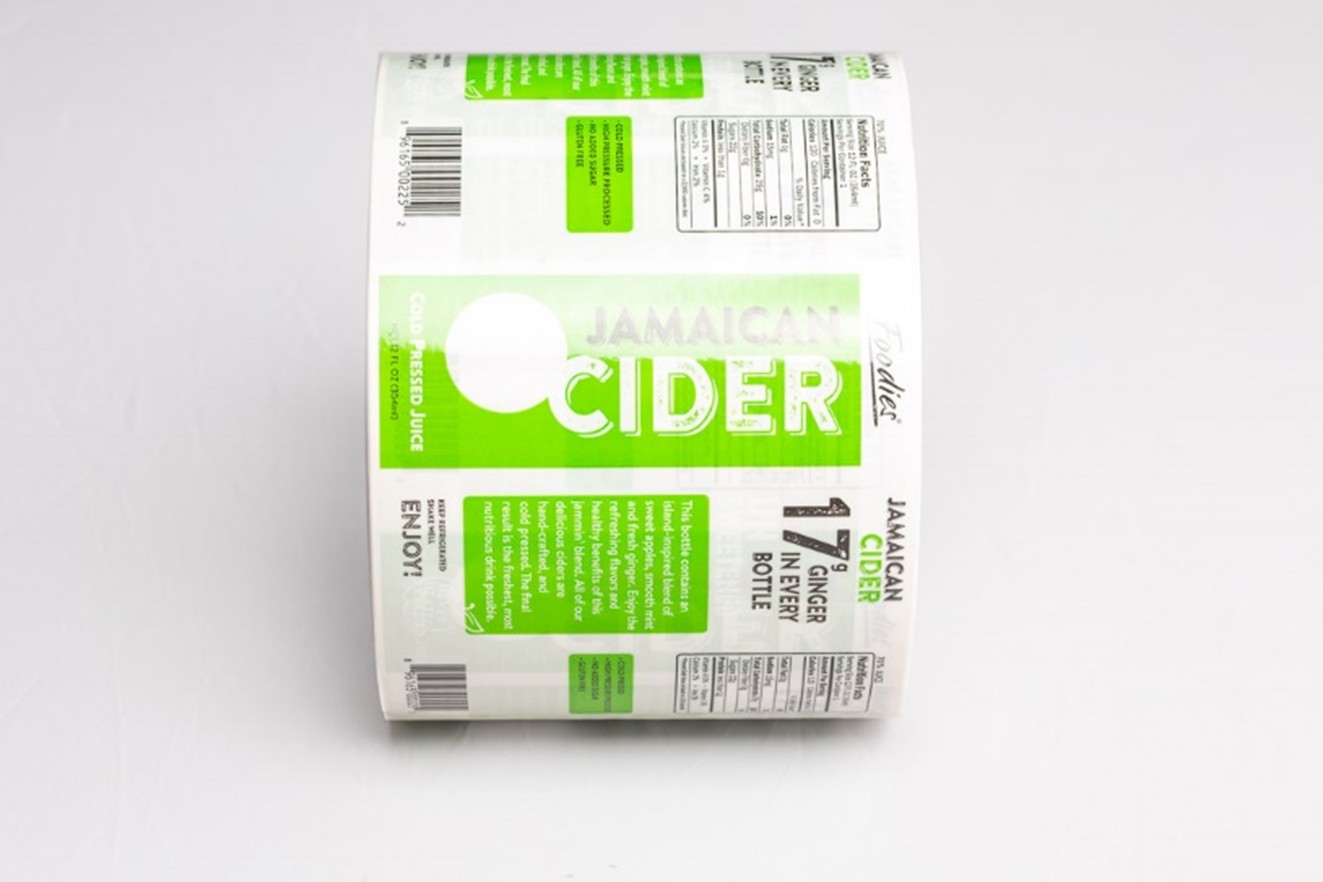
UV-coated labels are finished with a clear coating that’s cured instantly using ultraviolet light. This process creates a hardened layer on top of the printed label, adding both protection and visual appeal.
Think of it as a clear shield that sits over your design. It can be applied across the entire label or just to specific areas for added effect.
What Does UV Coating Actually Do?
UV coating serves two main purposes: protection and presentation.
- Protects against fading – Helps prevent colors from dulling when exposed to light
- Adds scratch resistance – Reduces scuffing during handling and transport
- Improves moisture resistance – Provides a barrier against spills and humidity
- Enhances appearance – Gloss finishes make colors pop, while matte finishes create a softer, more refined look
For example, imagine a product sitting near a storefront window. Without protection, the label might fade over time. With UV coating, it keeps its color and clarity much longer.
When Should You Use UV-Coated Labels?
UV coating isn’t necessary for every application, but it’s a great fit in a few key situations:
- Retail packaging
If your product needs to stand out on the shelf, UV coating adds that extra visual impact. - Labels exposed to light
Products stored near windows or used outdoors benefit from added UV resistance. - High-contact items
Bottles, jars, or containers that are frequently handled can benefit from the added scratch protection. - Brand-focused designs
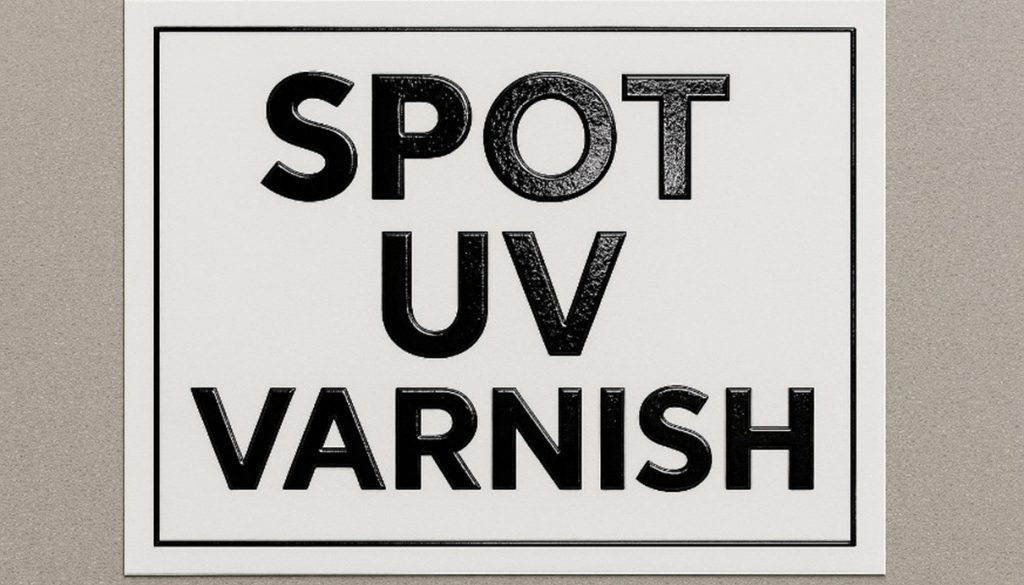
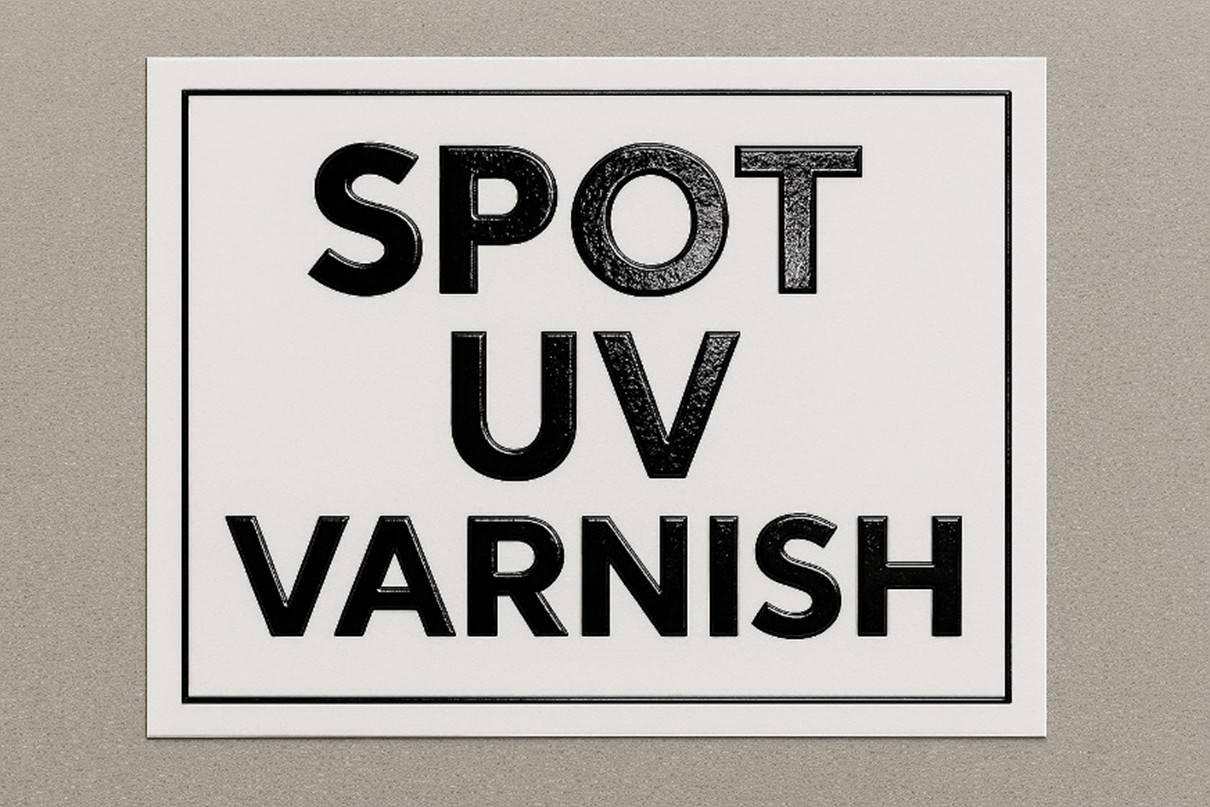
Spot UV can highlight logos or key design elements, adding a subtle premium feel.
When It Might Not Be the Best Fit
While UV coating adds value, it’s not always the right solution.
- It may increase cost compared to uncoated labels
- For extremely harsh environments (heavy chemicals or constant abrasion), lamination may offer stronger protection
- Highly flexible applications may require a different finish depending on how the label bends or stretches
UV Coating vs. Lamination
It’s easy to confuse UV coating with lamination, but they’re not the same.
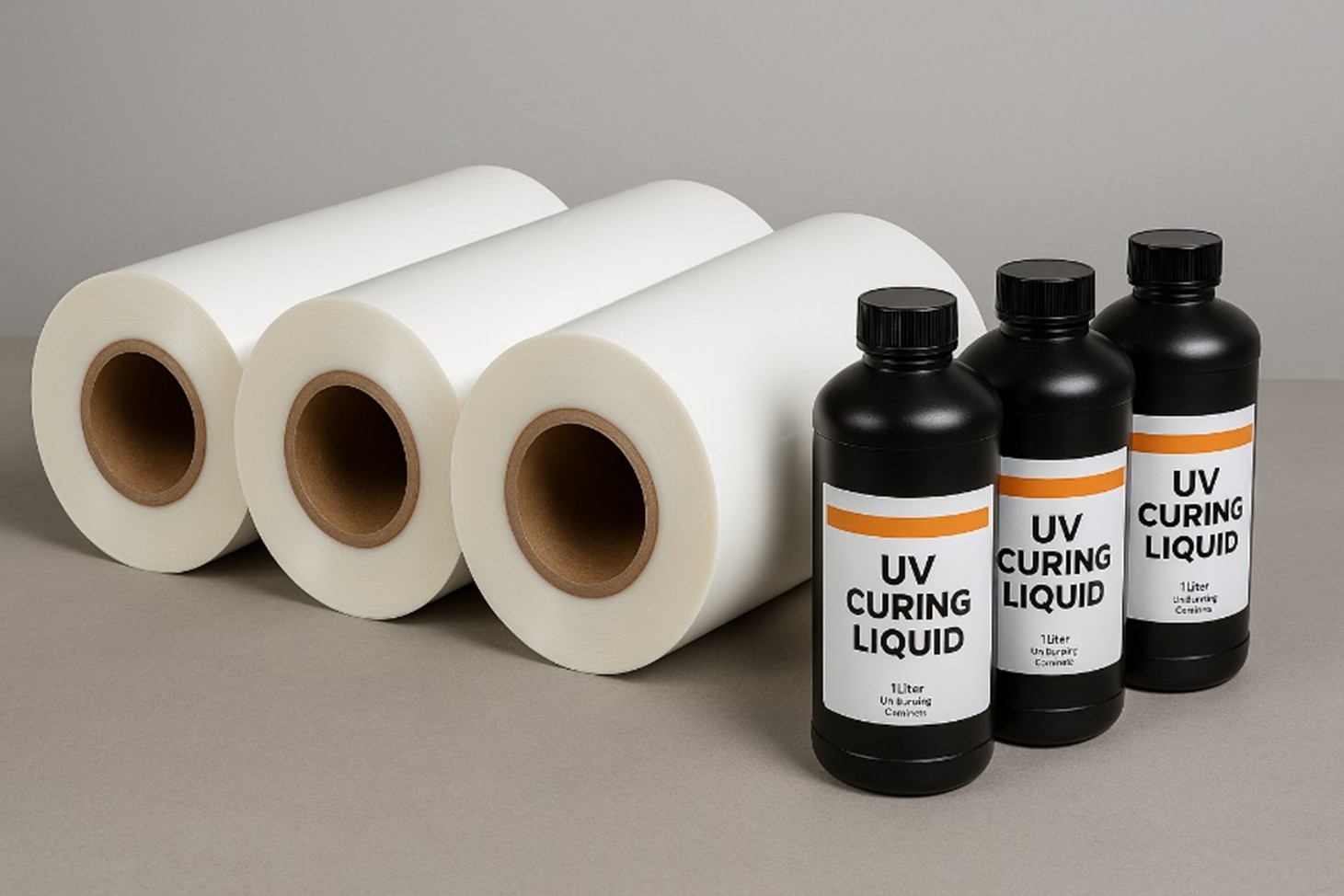
- UV coating is a liquid layer that’s cured onto the label
- Lamination is a physical film applied over the label
In general, UV coating is great for improving appearance and moderate durability, while lamination is better for maximum protection in demanding environments.
Final Thought
UV-coated labels strike a solid balance between durability and visual appeal. They help protect your design while giving it a more finished, professional look; especially in retail or light industrial settings.
If your labels need to look good and hold up to everyday use, UV coating is a simple upgrade that can make a noticeable difference.
Not sure if it’s the right fit for your application? Reach out! We’re happy to help you find the best option for your labels.