What Is Label Perforation, and Why Does It Matter?
When ordering custom labels, it’s easy to focus on the big decisions like size, material, adhesive, and print method. But sometimes it’s the small details that have the biggest impact on how your labels perform. One of those details is label perforation.
Whether you’re applying labels by hand, printing them on demand, or organizing labels into batches, the right perforation can make your workflow faster, cleaner, and more efficient.
What Is Label Perforation?
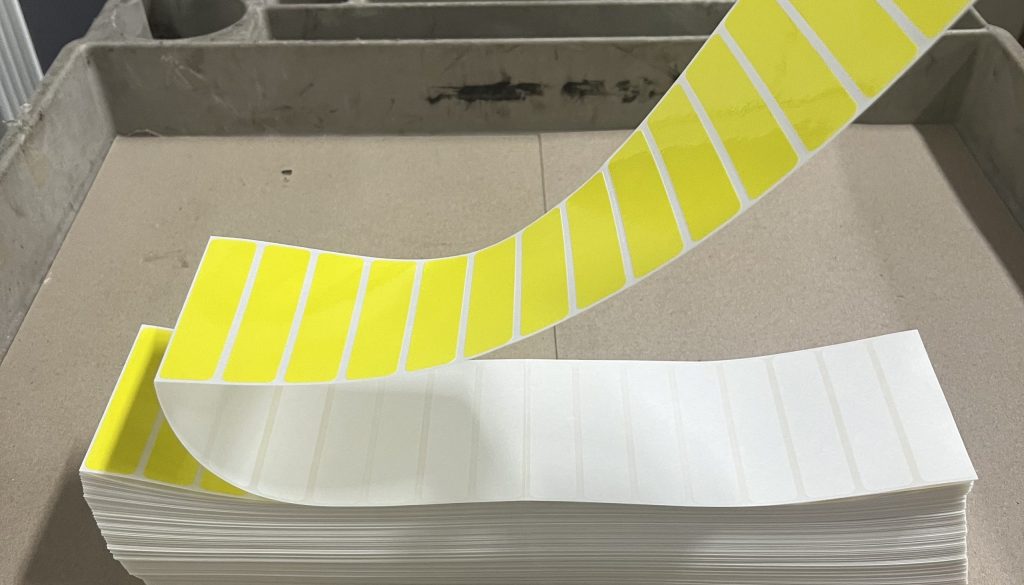
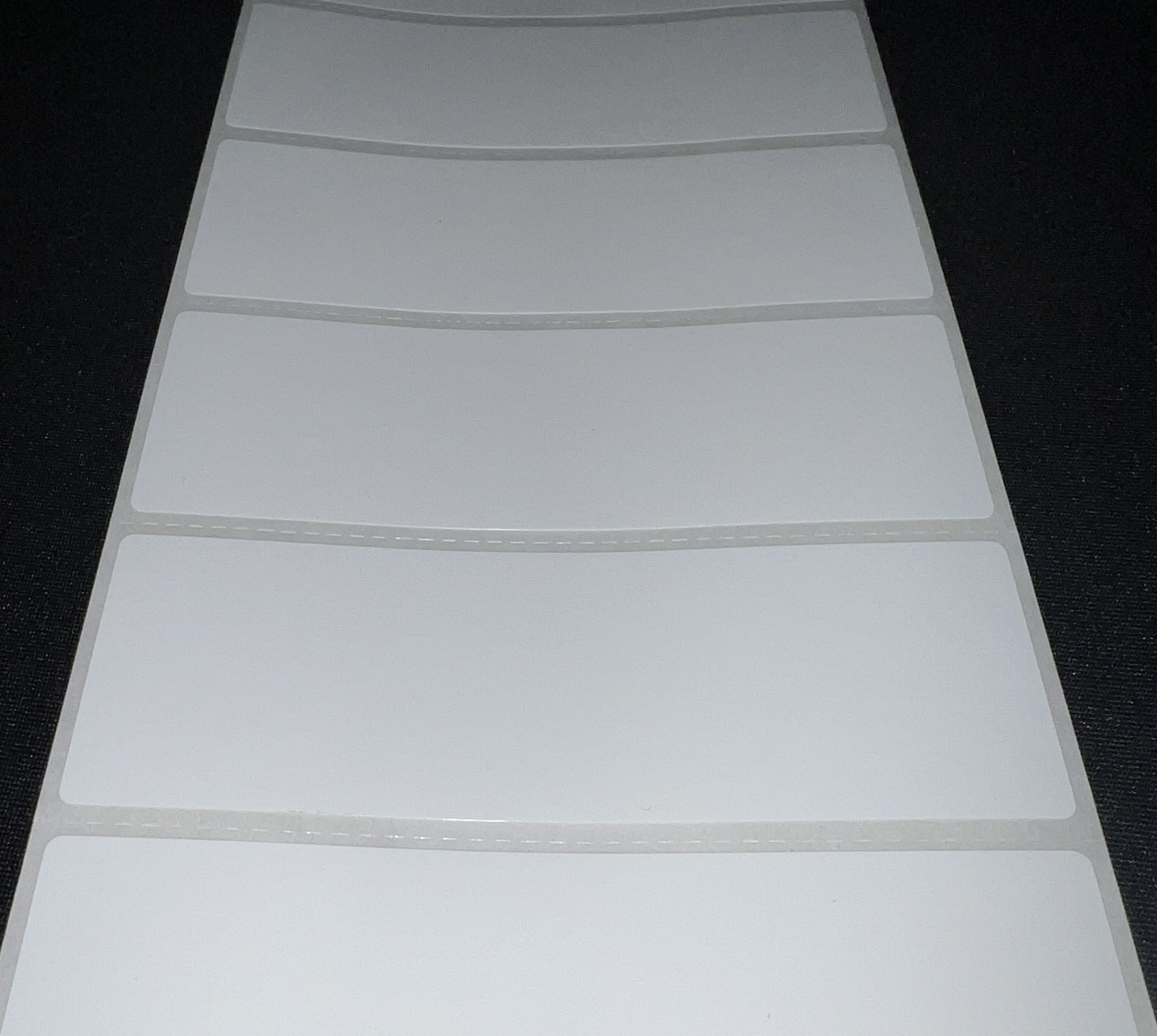
A perforation is a series of small cuts made into the label stock, liner, or both that creates a controlled tear point.
Although they’re often overlooked, perforations are intentionally designed around how the finished labels will be used.
Why Use Perforated Labels?
Perforations are most commonly used when labels need to be separated by hand. Instead of reaching for scissors or trying to tear a continuous roll, users can simply tear along the perforation.
You’ll often find perforated labels used for shipping and warehouse operations, inventory labels, visitor badges, medical identification, and retail pricing.
Not All Perforations Are the Same
One factor that determines how a perforation performs is its TPI (teeth per inch), which refers to the number of cuts and ties within one inch of the perforation.
In general, lower TPI perforations tear more easily, while higher TPI perforations provide greater tear resistance because more ties remain holding the material together.
Choosing the right perforation is a balancing act—you want labels that separate easily when needed but don’t accidentally tear during printing, handling, or shipping.
Different Types of Perforations
Not every perforation serves the same purpose.
A perforation may be added:
- Between every individual label
- Between groups of labels for batching
- Through only the liner to make labels easier to peel
- Through both the label and liner when sections need to detach completely
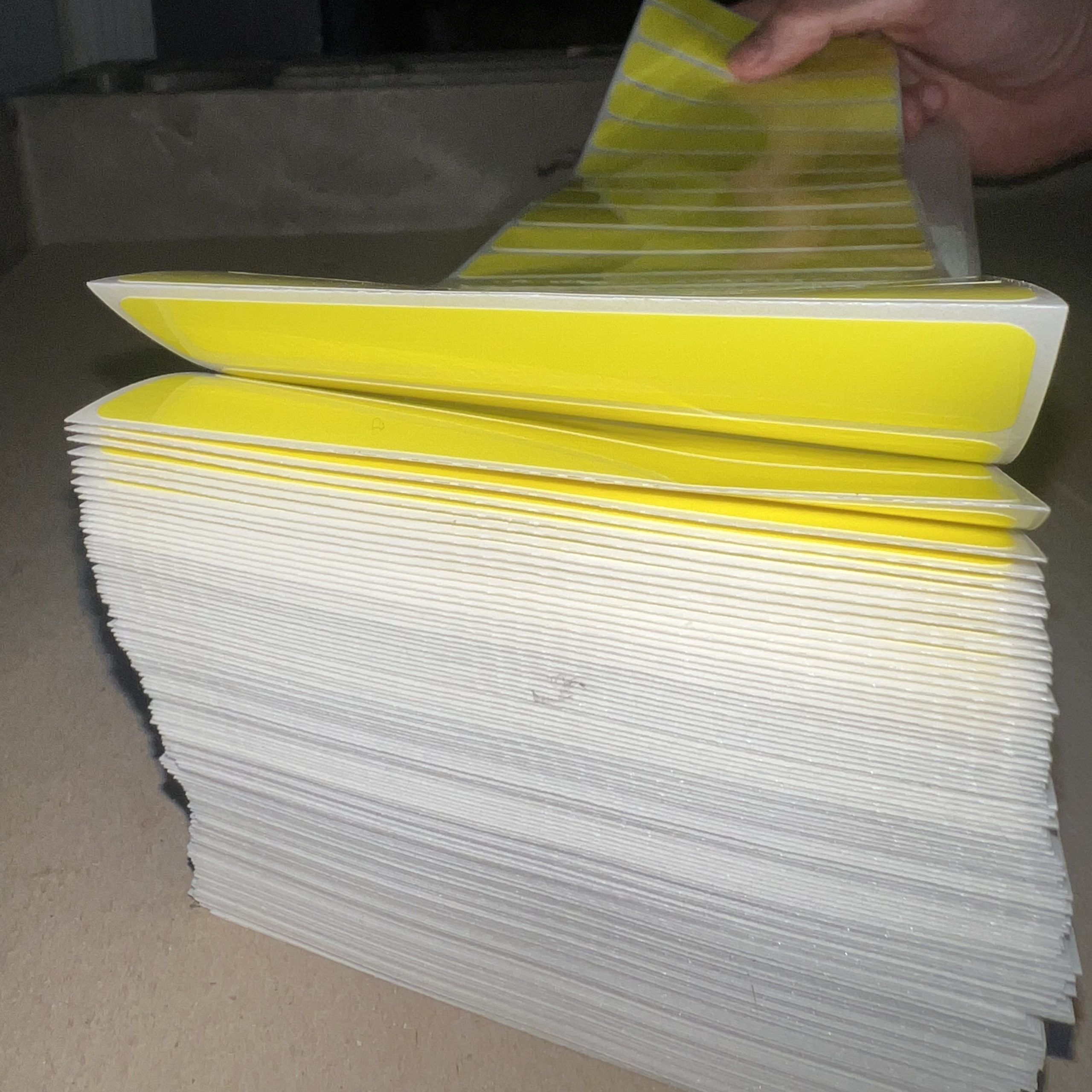
Perforations are also common on fanfold labels, where they allow the stack to fold neatly while remaining connected. Roll labels can also be perforated, although it’s typically done for manual applications rather than automated dispensing.
Perforation vs. Die Cutting
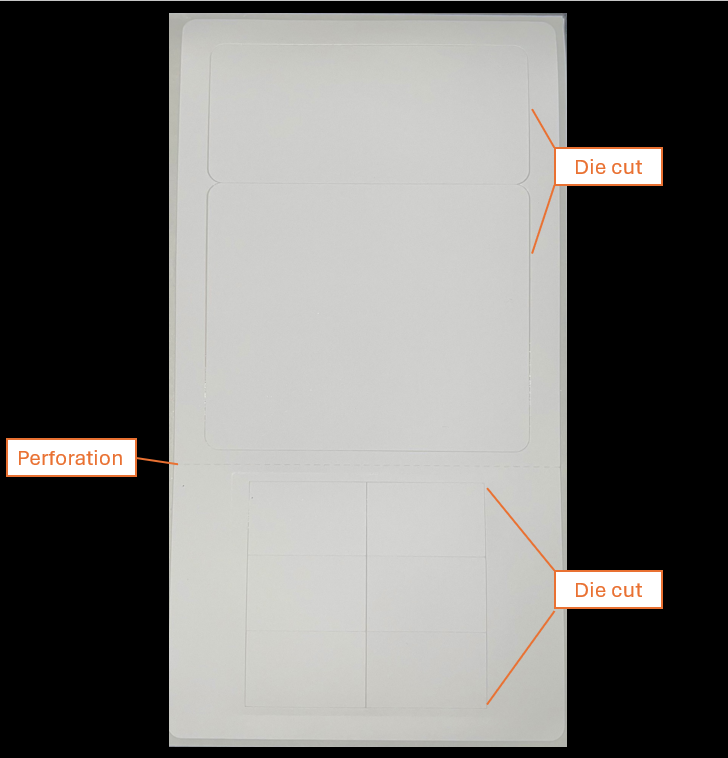
Perforation and die cutting often get confused, but they perform two different jobs.
A die cut creates the individual label shape while leaving the liner intact so labels can be peeled away. A perforation creates a tear line that allows labels or sections of labels to be separated by hand.
When Perforations Aren’t the Best Choice
Perforations aren’t ideal for every application. High-speed printers and automatic label applicators often perform better with a continuous liner because perforations can reduce the liner’s overall strength, increasing the risk of the liner tearing during printing or dispensing. They’re also less common on very small labels, where there simply isn’t much room to incorporate an effective perforation.
Like many details in label manufacturing, perforations aren’t one-size-fits-all. The right perforation depends on how your labels will be printed, handled, and applied. Contact us and we can help ensure your labels perform exactly the way you expect—from the first label to the last.